Bat Infestations in Homes: Health Risks and Safe Removal
If you're dealing with bat infestations in homes: health risks and safe removal, local contractors can provide effective solutions to eliminate bats and protect your household.
If you’ve noticed signs of bats in your home, it’s understandable to feel concerned about the potential health risks and the best way to handle the situation. Bat infestations in homes: health risks and safe removal are common reasons property owners seek guidance, especially since bats can carry diseases that may affect household members. Addressing these issues promptly with help from experienced service providers can ensure your living space remains safe and comfortable. Whether you’re dealing with a small roost or a larger concern, understanding the importance of professional removal can make a significant difference.
Local contractors specializing in bat removal are equipped to assess the situation and implement safe, effective strategies to eliminate bats and prevent future issues. They can help identify entry points, safely remove the animals, and seal your home to prevent re-infestation. Exploring options for bat infestation removal can provide peace of mind, knowing that trained professionals are ready to handle the job responsibly. Keep reading to learn more about the health risks associated with bat infestations and how local experts can assist in protecting your home and family.
- Bat Infestation Removal - homeowners noticing signs of bats in their attic or walls can rely on local contractors to safely remove the animals and prevent future entry points.
- Health Risks Assessment - individuals concerned about the potential health hazards associated with bat droppings and urine can consult local service providers for proper cleanup and containment.
- Safe Bat Exclusion - property owners seeking humane and effective methods to exclude bats from their homes can work with local specialists experienced in sealing entry points.
- Infestation Detection - those unsure if their home is infested can have local experts perform inspections to identify bat presence and recommend appropriate removal strategies.
- Wildlife Control Services - residents facing ongoing bat issues can engage local contractors to implement long-term exclusion and prevention measures.
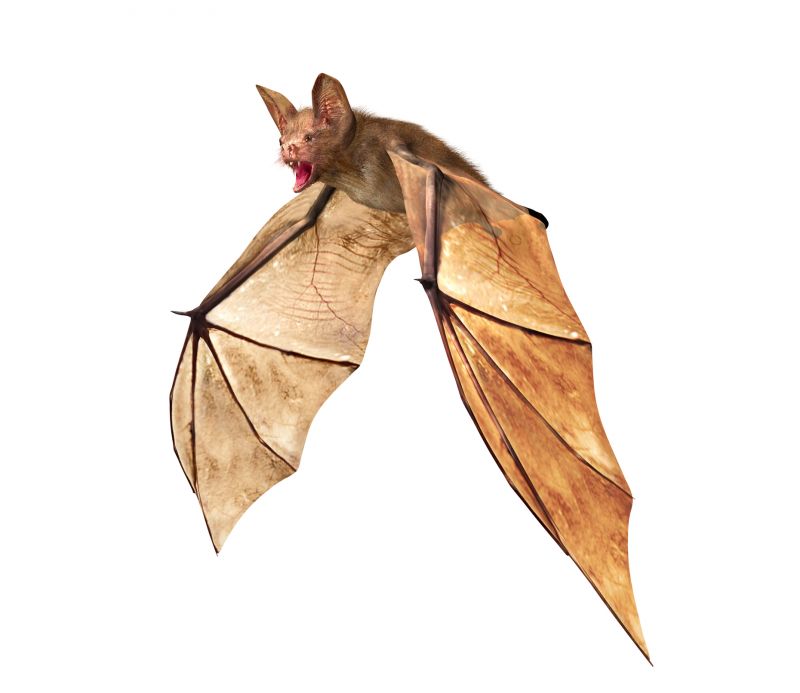
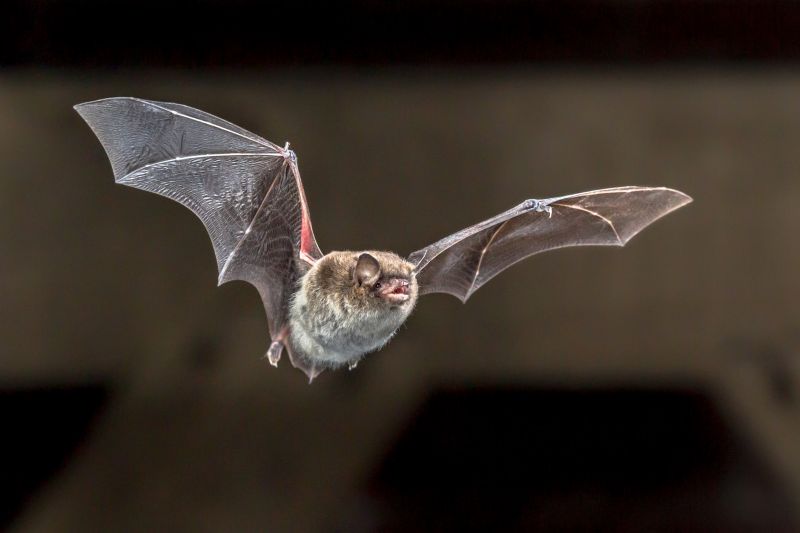
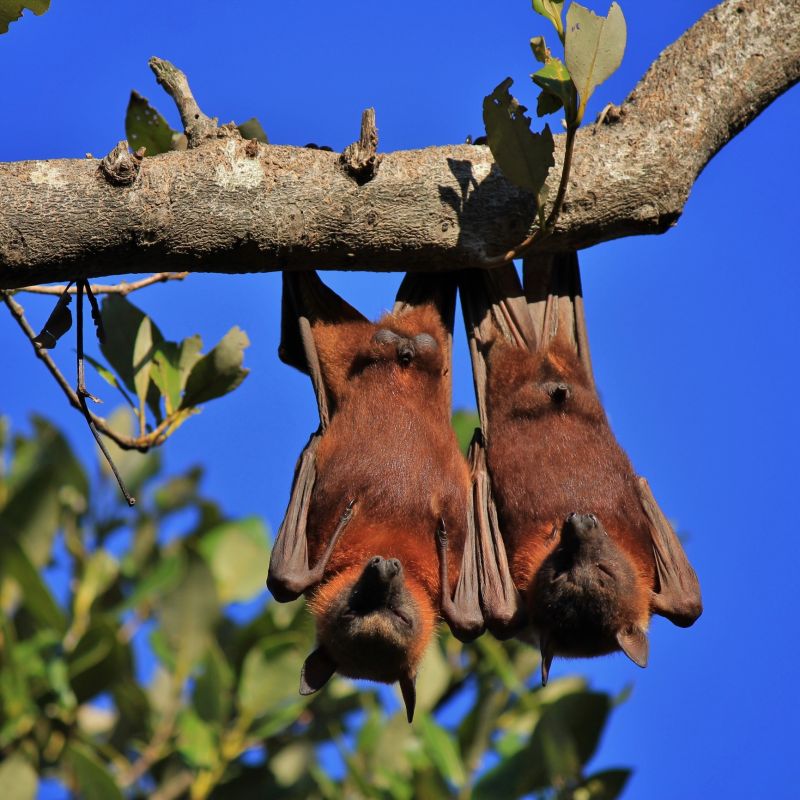
When people search for information about bat infestations in homes: health risks and safe removal, they often want to understand the potential dangers posed by bats living inside or around their property. This topic typically relates to concerns about the health implications of bats, such as the risk of disease transmission, including rabies, and the presence of bat droppings that can cause respiratory issues or attract pests. Homeowners may also be exploring options for effective removal methods that do not harm the animals or damage their property. Understanding these factors helps homeowners recognize the importance of professional assistance to handle the situation safely and thoroughly.
Bat infestations are commonly linked to problems involving property damage, hygiene concerns, and the need for effective exclusion strategies. Bats tend to roost in attics, eaves, walls, or chimneys, especially in homes with accessible entry points. If left unaddressed, their droppings can accumulate and cause unpleasant odors or structural issues over time. Homeowners often seek plans that focus on humane removal and sealing of entry points to prevent re-infestation. This process requires careful inspection and specialized techniques to ensure bats are removed safely without causing harm or creating new entry routes, which is where experienced service providers come into play.
The types of properties most affected by bat infestations typically include single-family homes, historic structures, and buildings with accessible attics or roof spaces. These structures often have features like gaps, vents, or cracks that allow bats to enter and establish colonies. Rural properties and older residences are especially vulnerable due to their construction materials and less modern sealing methods. Homeowners of these properties usually search for guidance on how to identify signs of bat presence, such as droppings or noise, and seek professional removal services that specialize in handling these specific situations. Properly addressing bat issues on these properties helps prevent health risks and property damage.
Professionals who handle bat infestations in homes are trained to assess the extent of the problem, safely remove the animals, and implement exclusion measures to prevent future issues. They understand the importance of humane techniques that prioritize the well-being of the bats while protecting the home's occupants. Homeowners can benefit from consulting with these local service providers to develop a tailored plan that considers the unique features of their property and the severity of the infestation. Connecting with experienced contractors ensures that bat removal is performed efficiently and safely, reducing health risks and safeguarding the home environment from future bat-related problems.
Wildlife Exclusion Projects - local contractors specialize in sealing entry points and preventing animals like bats from returning to infested homes, ensuring safe removal and long-term protection.
Attic Cleanup and Decontamination - professionals perform thorough cleaning and sanitizing of areas affected by bat droppings and urine to reduce health risks associated with bat infestations in homes.
Pest Proofing Services - experts help reinforce building structures to prevent future animal intrusions, which is essential after bat removal to maintain a safe living environment.
Home Inspection Services - detailed inspections by local contractors identify potential entry points and signs of bat activity, supporting effective removal strategies.
Vent and Exhaust Repair - specialists repair or replace damaged vents and exhausts that can serve as entry points for bats and other pests in homes.
Structural Repair and Restoration - contractors handle repairs to damage caused by bat colonies, restoring safety and integrity to affected areas of the home.
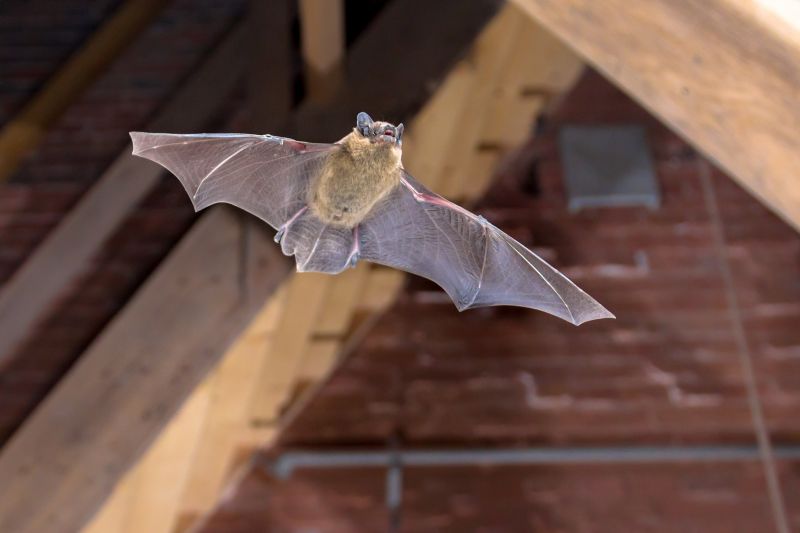
When evaluating service providers for bat infestation removal, it is important to consider their experience with similar projects. Homeowners should look for local contractors who have a proven track record of safely and effectively handling bat infestations in residential settings. An experienced professional will understand the unique challenges that come with bat removal, such as identifying entry points, ensuring the bats are humanely excluded, and preventing future issues. This familiarity can help ensure the job is completed thoroughly, reducing the risk of ongoing health concerns related to bat droppings, urine, and potential disease transmission.
Clear written expectations are essential when selecting a bat removal service. Homeowners should seek providers who can offer detailed descriptions of the removal process, including steps taken to protect the home’s structure and inhabitants, as well as any follow-up measures. A reputable contractor will communicate what the removal entails, what precautions will be in place, and how they plan to address the health risks associated with bat infestations. Having this information in writing helps ensure that both parties are aligned on the scope of work, reducing misunderstandings and ensuring safety standards are met.
Reputable references and good communication are key factors in choosing a reliable service provider. Homeowners should ask for references or reviews from previous clients who had similar bat infestation issues. This feedback can provide insight into the contractor’s professionalism, quality of work, and ability to manage health and safety concerns effectively. Additionally, a contractor who maintains open, transparent communication-responsive to questions and proactive in providing updates-can help homeowners feel confident that their concerns about health risks and safe removal are being addressed throughout the process.
Property owners often search for bat infestations in homes: health risks and safe removal when they are planning practical projects around their homes and businesses. Local pros provide Bat Infestation Removal services for everyday jobs and straightforward project options.
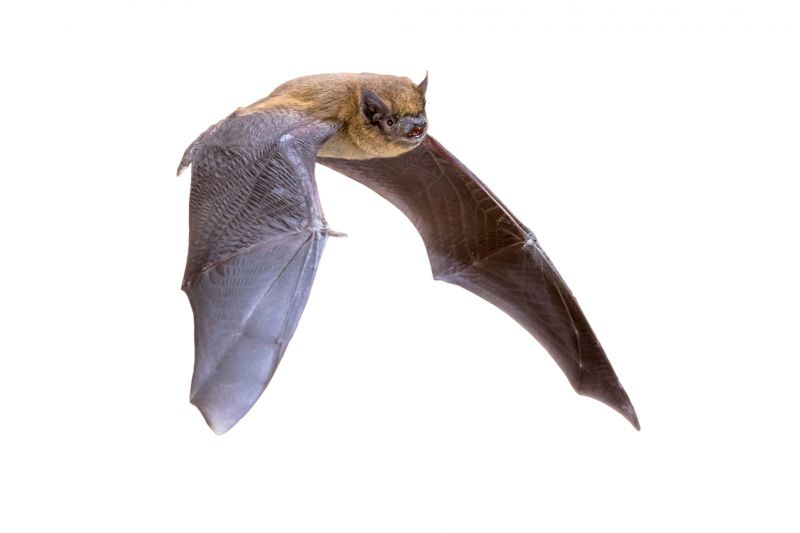
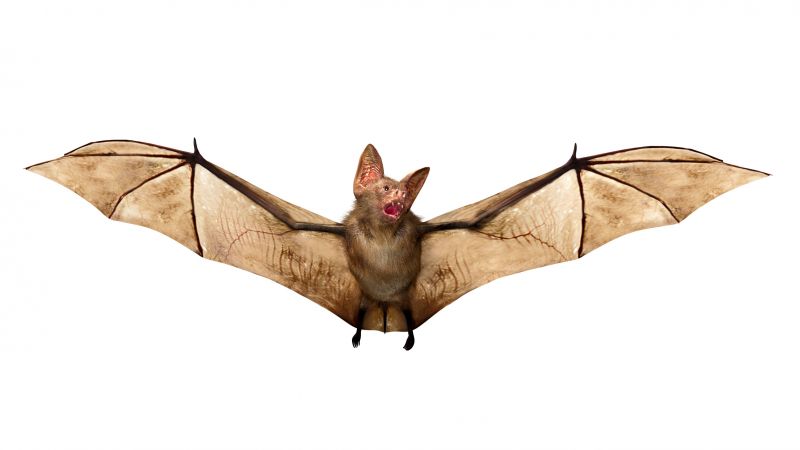
Bat infestations in homes can pose significant health risks for residents, as bats may carry diseases that can be transmitted through contact or droppings. Property owners noticing signs of bat activity, such as droppings or strange noises, often seek out expert removal services to handle the situation safely and effectively. Local contractors experienced in bat removal can assess the property, identify entry points, and implement strategies to eliminate the infestation without causing damage to the home or risking exposure to health hazards.
For those facing a bat infestation, turning to local service providers is a practical step toward safe removal. Professional bat removal specialists use proven methods to safely exclude bats and prevent future invasions, helping to protect household health and ensure the property remains secure. Property owners who want to address the issue promptly and responsibly often find that connecting with local experts offers a reliable way to resolve bat infestations efficiently.
What are the health risks associated with bat infestations in homes? Bat infestations can pose health risks such as exposure to rabies, histoplasmosis from droppings, and allergic reactions. Local contractors specializing in bat removal can help mitigate these risks safely and effectively.
How do professionals remove bats from a home safely? Experienced service providers use humane and safe methods to remove bats, including sealing entry points and ensuring the bats are relocated without harm. They follow proper procedures to prevent re-infestation and protect residents’ health.
Can bat droppings and urine damage my home? Yes, bat droppings and urine can cause structural damage, foul odors, and health hazards. Local bat removal experts can clean affected areas and help prevent future issues through proper exclusion techniques.
What steps are involved in removing a bat infestation? The process typically includes inspection, sealing entry points, humane removal of bats, and cleanup of droppings. Service providers ensure the infestation is fully addressed to reduce health risks and prevent re-entry.
Why should I hire a professional for bat removal instead of DIY methods? Professionals have the expertise and tools to remove bats safely, effectively, and humanely, reducing health risks and ensuring the problem is thoroughly resolved by experienced service providers.
Identify entry points - property owners can inspect their homes for small openings or cracks where bats may enter, enabling local contractors to perform effective sealing during removal.
Schedule professional removal - arranging for experienced service providers to safely remove bats helps reduce health risks and prevents future infestations.
Implement exclusion methods - property owners can work with local pros to install barriers or netting that prevent bats from re-entering the home after removal.
Clean and disinfect affected areas - after bat removal, professionals can assist with cleaning to eliminate droppings and reduce potential health hazards.
If you are thinking about bat infestations in homes: health risks and safe removal for a property, this guide is meant to help you understand this topic, the typical project types, and how different options might fit your plans.
When you are ready, you can use the quote form on this page to share a few details about your project. From there, local pros can review the basics and follow up with options that match what you have in mind.