Beaver Activity Near Homes: Flooding Risks and Wildlife Control Options
If you're dealing with beaver activity near homes, flooding risks, or wildlife concerns, local service providers can help control beaver populations and protect your property.
Property owners in the area who notice signs of beaver activity near homes should be aware of potential flooding risks and wildlife concerns. Beavers are known for building dams that can alter water flow, sometimes leading to water accumulation around properties, which may cause flooding or damage to landscaping. Understanding these risks and exploring wildlife control options can help protect your home and prevent costly repairs. Local contractors specializing in wildlife management and beaver removal are equipped to assess the situation and recommend effective solutions, ensuring that your property remains safe and secure.
For those facing ongoing beaver activity, it’s important to consider practical wildlife control options to manage the situation effectively. Professional services can handle beaver removal and dam mitigation, reducing the likelihood of flooding and other property issues. Connecting with experienced service providers in the area can provide peace of mind and help maintain a healthy balance between property safety and local wildlife. Keep reading to learn more about how local experts can assist with managing beaver activity near homes and safeguarding your property from related risks.
- Beaver activity near homes: flooding risks and wildlife control options - homeowners noticing dam construction or water buildup may need local contractors to assess and remove beaver activity safely.
- Beaver activity near homes: flooding risks and wildlife control options - when property flooding occurs due to beaver dams, local pros can implement effective control measures to protect the property.
- Beaver activity near homes: flooding risks and wildlife control options - signs of gnawed trees or burrows near the property can prompt residents to seek wildlife control services to manage beaver presence.
- Beaver activity near homes: flooding risks and wildlife control options - if beaver activity is causing damage to landscaping or infrastructure, local service providers can offer trapping and dam removal solutions.
- Beaver activity near homes: flooding risks and wildlife control options - concerns about increased water levels or erosion may lead homeowners to contact local pros for beaver management and habitat modification.

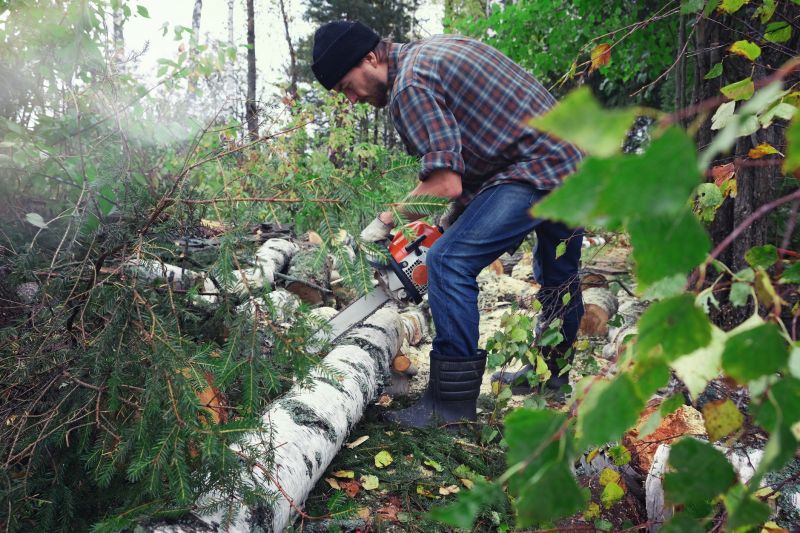
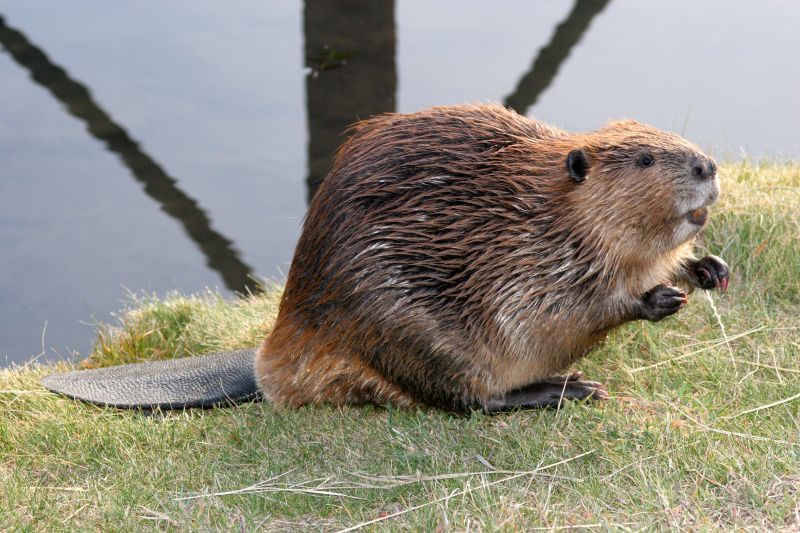
When homeowners search for information about beaver activity near homes: flooding risks and wildlife control options, they are typically concerned about the presence of beavers on or near their property and the potential problems this can cause. Beavers are known for building dams that can obstruct streams and drainage pathways, leading to increased water levels and localized flooding. Property owners often seek guidance on how to manage these issues effectively, especially if beaver activity is causing ponding in yards, damage to landscaping, or even threatening the structural integrity of their homes. The search may also reflect a desire to understand the risks associated with beaver populations, including the possibility of property damage and the impact on nearby waterways.
This topic is closely tied to property management and planning, as homeowners look for practical solutions to control or mitigate beaver-related problems. Many are interested in preventative measures or removal options to reduce flooding risks and protect their land. Wildlife control plays a significant role here, with property owners often considering professional services to safely and humanely handle beaver removal or exclusion. These efforts can involve installing barriers, modifying habitat features, or employing other techniques designed to discourage beavers from settling near homes. Understanding how to address beaver activity is essential for those who want to prevent ongoing damage and maintain the safety and usability of their outdoor spaces.
Properties that typically come up in these discussions include residential homes, especially those located near streams, ponds, or wetlands where beavers are more likely to establish lodges. Rural properties with large yards, farms, or land with natural water features are also common. Homes situated in flood-prone areas or on properties with poorly drained land are especially vulnerable to beaver activity, making wildlife control a priority for property owners. In some cases, commercial properties near water bodies might also experience beaver-related issues, prompting business owners to seek professional assistance. Local contractors specializing in wildlife management can provide tailored solutions to address the specific needs of each property type.
For homeowners facing beaver activity near their homes, understanding the connection between beavers, flooding risks, and wildlife control options is crucial. Local pros can assess the situation, identify the extent of beaver activity, and recommend appropriate measures to reduce flood risks and prevent property damage. These professionals often employ humane removal techniques and habitat modification strategies that align with property owners' goals. Connecting with experienced wildlife control service providers ensures that the problem is handled efficiently and safely, helping homeowners protect their properties while managing beaver populations responsibly.
Flood Risk Assessment Projects - These projects involve evaluating property drainage and water flow to identify potential flooding caused by beaver activity near homes, helping homeowners understand risks and options.
Wildlife Exclusion System Installations - Local contractors install barriers and fencing to prevent beavers from accessing areas near residences, reducing flooding and wildlife intrusion issues.
Dam Removal and Management Projects - These initiatives focus on safely removing or managing beaver dams that threaten property flooding, requiring planning and site-specific solutions.
Stream and Creek Restoration Services - Professionals work on restoring natural water flow paths to mitigate flooding risks associated with beaver activity near homes.
Waterway Erosion Control Projects - Erosion control techniques are implemented to protect property foundations and landscapes from flooding caused by beaver-related water flow changes.
Wildlife Habitat Modification Services - These projects involve modifying habitats to discourage beaver settlement near homes, helping to manage flooding risks and wildlife concerns.
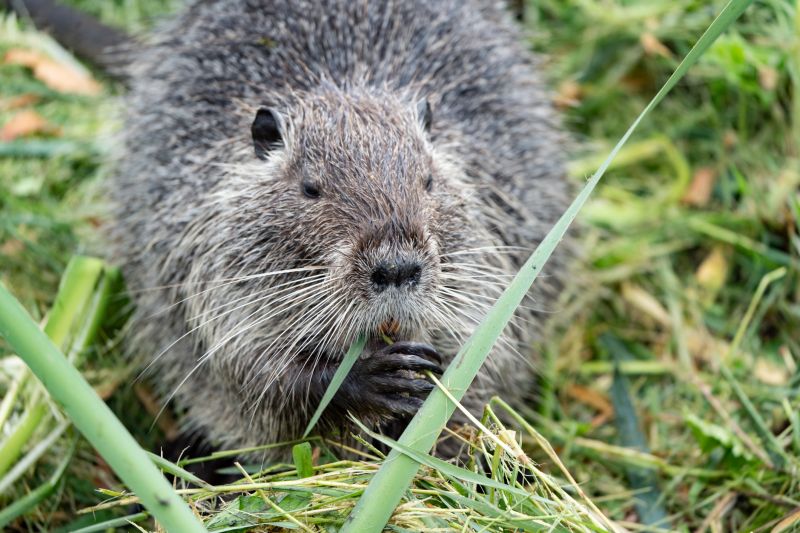
When evaluating service providers for beaver activity near homes, it is important to consider their experience with similar projects involving flooding risks and wildlife control. Homeowners should seek out local contractors who have a proven track record in managing beaver-related issues, especially those that involve habitat modification, trapping, or removal. A contractor’s familiarity with the specific challenges of beaver activity in the area can help ensure that the chosen approach is effective and minimizes potential property damage or flooding concerns.
Clear, written expectations are essential when comparing local pros for wildlife control services. Homeowners should look for providers who can outline the scope of work, methods to be used, and any follow-up actions in a detailed proposal or estimate. This transparency helps establish a mutual understanding of what the service entails and prevents misunderstandings. Additionally, reputable service providers should be willing to provide references from previous clients who experienced similar issues, enabling homeowners to verify the quality of their work and customer satisfaction.
Effective communication is a key factor in selecting the right service provider for beaver removal and wildlife management. Homeowners should prioritize contractors who are responsive to inquiries, willing to answer questions thoroughly, and able to explain their process in understandable terms. Good communication fosters trust and ensures that homeowners are well-informed throughout the project, which is especially important when dealing with property and flood prevention concerns related to beaver activity near homes. Choosing a provider with strong communication skills can help ensure the project proceeds smoothly and results meet expectations.
Property owners often search for beaver activity near homes: flooding risks and wildlife control options when they are planning practical projects around their homes and businesses. Local pros provide Beaver Removal services for everyday jobs and straightforward project options.
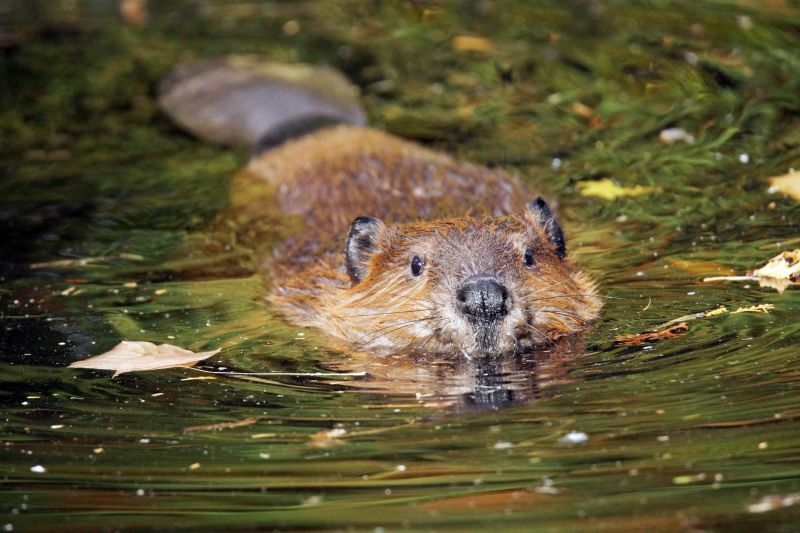
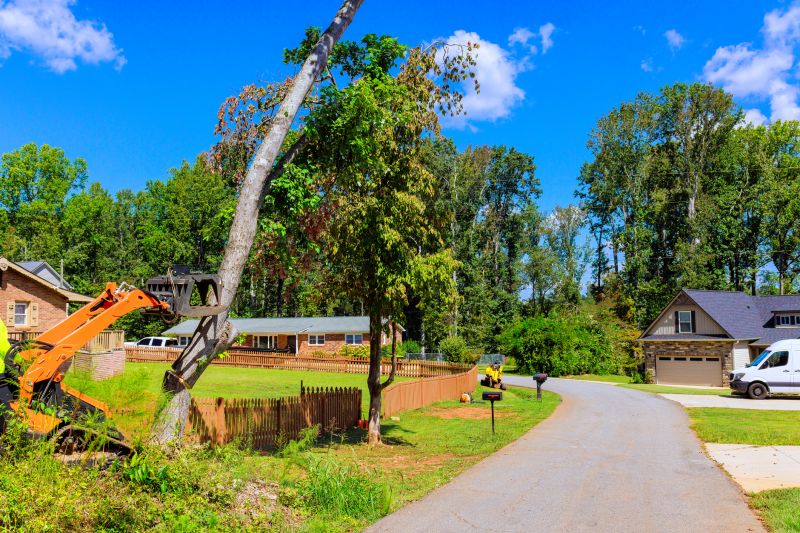
Beaver activity near homes can lead to serious flooding risks, especially when dams or burrows block natural water flow or cause water to accumulate around residential properties. Property owners noticing signs of beaver presence, such as chew marks on trees or new dams, may find themselves concerned about potential water damage or landscape erosion. In these situations, it’s common for homeowners to seek out wildlife control options to safely and effectively manage the situation. Local contractors experienced in wildlife removal can assess the extent of the activity and recommend appropriate measures to prevent flooding and protect the property.
For those dealing with beaver activity near homes, engaging with local wildlife control experts can provide practical solutions to mitigate flood risks and address the presence of beavers on the property. These service providers typically offer humane removal methods and can help install barriers or other control measures to prevent future issues. Property owners often look into these services to ensure their homes and landscapes remain safe and undamaged, making it easier to handle the situation without ongoing concerns about wildlife interference or water-related problems.
What are the signs of beaver activity near homes? Signs include chewed trees, dam constructions on nearby water bodies, and unusual water level changes that could lead to flooding risks.
How can beaver activity cause flooding around residential properties? Beavers build dams that can block water flow, leading to water pooling and potential flooding in yards and basements.
What wildlife control options do local contractors offer for beaver removal? Local service providers typically offer trapping, dam removal, and habitat modification to manage beaver activity near homes.
Are there ways to prevent beavers from returning after removal? Yes, local pros can install barriers or repellents to discourage beavers from returning to the property.
How do professionals address flooding risks caused by beaver activity? They assess the situation, remove beavers and dams, and implement control measures to reduce future flooding risks.
Assessing flood risks - Property owners can evaluate areas prone to beaver activity near homes to identify potential flooding hazards and determine where wildlife control measures may be needed.
Installing beaver exclusion devices - Homeowners can work with local contractors to set up barriers that prevent beavers from accessing critical areas like drainage systems or property boundaries.
Creating wildlife-friendly landscaping - Practical projects might include modifying yard features to discourage beaver habitation while supporting local wildlife management efforts.
Monitoring beaver activity - Regular site inspections can help detect early signs of beaver presence and guide timely wildlife control interventions by experienced service providers.
If you are thinking about beaver activity near homes: flooding risks and wildlife control options for a property, this guide is meant to help you understand this topic, the typical project types, and how different options might fit your plans.
When you are ready, you can use the quote form on this page to share a few details about your project. From there, local pros can review the basics and follow up with options that match what you have in mind.