Why Beavers Target Culverts and Drainage Channels Near Homes
People searching for beaver removal often want to prevent property damage caused by beavers targeting culverts and drainage channels, and local service providers can help with effective removal and containment solutions.
Understanding why beavers target culverts and drainage channels near homes can help property owners better manage potential issues before they escalate. Beavers are naturally drawn to these structures because they provide easy access to water sources and serve as ideal sites for building their lodges and dams. When beavers decide to settle in an area, their activities can lead to blockages, flooding, and damage to drainage systems, which may affect the safety and functionality of a property’s landscape. Exploring this topic can reveal practical reasons why property owners in the local area might want to address beaver activity early, and how professional beaver removal services can help mitigate these concerns effectively.
For those noticing signs of beaver presence or experiencing drainage problems, connecting with experienced local contractors who specialize in beaver removal can offer valuable solutions. These service providers understand the behaviors that attract beavers to culverts and drainage channels, and they can implement humane, effective methods to protect property infrastructure. By learning more about why beavers target these areas, property owners can make informed decisions about when to seek professional assistance, ensuring their land remains safe and functional while preventing costly repairs caused by beaver activity. Keep reading to discover practical insights and how local experts can support property maintenance needs related to beaver management.
- Culvert and drainage channel repairs - homeowners noticing beaver activity near these structures can rely on local contractors to assess and reinforce vulnerable areas. Beaver exclusion services - when beavers are causing blockages, local pros use humane methods to prevent access and protect property infrastructure. Dam removal and management - property owners facing flooding or water flow issues due to beaver dams can work with local service providers to safely remove or manage these obstructions. Beavers targeting drainage systems - residents experiencing persistent beaver activity in drainage channels can seek assistance from local experts to implement effective control measures. Flood prevention solutions - those dealing with water backup caused by beaver activity near culverts can connect with local contractors to develop tailored drainage protection strategies.
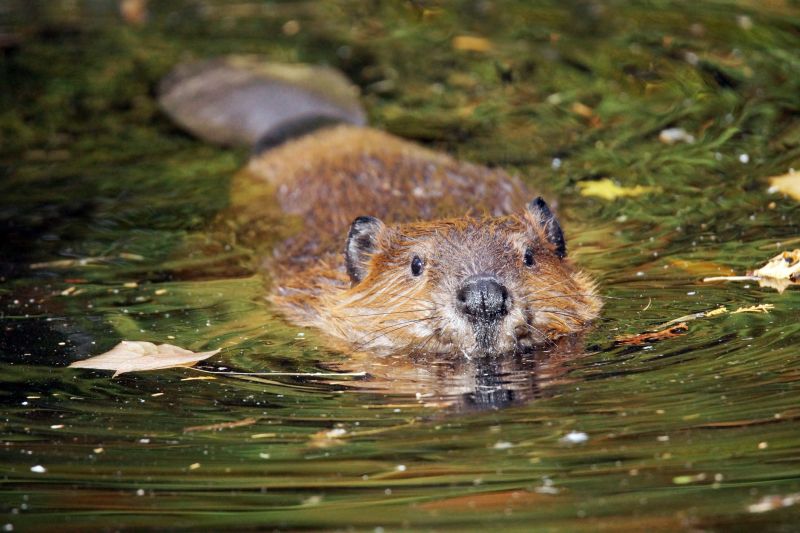
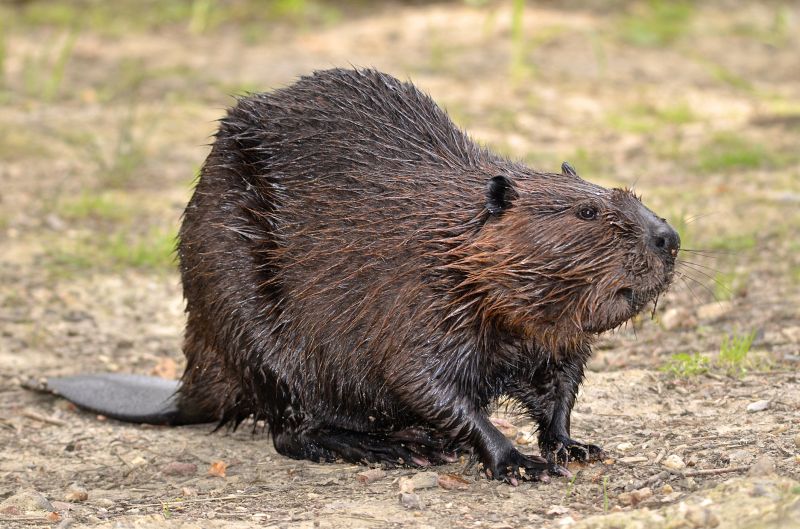
Many homeowners searching for why beavers target culverts and drainage channels near homes are often concerned about the potential for property damage and drainage issues. Beavers are known for their natural instinct to build dams and lodges in waterways, but they tend to focus on man-made structures like culverts and drainage channels because these features often resemble their natural habitat. When beavers see these areas as suitable sites for building, they may start to modify or block them, which can lead to localized flooding, water backup, or even damage to landscaping and foundations. Understanding this behavior helps homeowners recognize the connection between beaver activity and drainage problems that may arise in their yards or around their property.
This topic is commonly related to plans for property maintenance, flood prevention, or wildlife management. Homeowners may notice increased water levels, blocked pipes, or erosion near drainage features, prompting questions about why beavers are attracted to these specific areas. Many property owners consider installing barriers or seeking removal services to prevent beaver interference. Local service providers who specialize in beaver removal and dam mitigation often get involved when these animals target culverts and drainage channels, especially if their activity threatens to disrupt the property's drainage system or causes ongoing water issues. Recognizing the reasons behind beaver targeting these structures is essential for planning effective solutions that protect the property’s drainage and prevent damage.
Properties most affected by beaver activity near culverts and drainage channels tend to be those with natural water features or areas where water flow is directed through engineered channels. Homes situated near ponds, streams, or wetlands are more likely to experience beaver interest in nearby drainage infrastructure. Additionally, properties with poorly maintained or undersized culverts are more vulnerable, as beavers prefer structures that are easy to access and modify. These animals often see drainage channels as ideal locations for building dams that provide safety and resources, which can lead to blockages or flooding if not managed properly. Local contractors experienced in beaver removal can assess these properties and recommend solutions tailored to the specific drainage features involved.
Understanding why beavers target culverts and drainage channels near homes helps homeowners connect the dots between wildlife behavior and property issues. When beavers find suitable structures that mimic their natural environment, they may start to build dams or lodge in these areas, causing disruptions to water flow. This activity can lead to costly repairs or ongoing maintenance challenges if left unaddressed. Service providers in the area are equipped to handle these situations by removing beaver activity and installing preventative measures. They work to ensure that drainage channels remain functional, property damage is minimized, and the presence of beavers is managed safely and effectively.
Culvert and Drainage System Repairs - Local contractors often handle repairs and modifications to drainage systems to prevent beaver intrusion and protect property infrastructure.
Wildlife Exclusion Fencing - Experts install fencing around drainage channels and culverts to deter beavers from accessing these areas near homes.
Flood Prevention Projects - Projects focused on managing water flow and preventing flooding often involve planning and installing barriers similar to those used in beaver control.
Stream and Creek Restoration - Restoration services involve modifying waterways to reduce beaver habitat suitability and prevent damage to drainage channels.
Waterway Barrier Installation - Local service providers install barriers to block beaver access points at culverts and drainage channels near residential properties.
Drainage Channel Cleaning and Maintenance - Regular cleaning helps prevent blockages caused by beaver activity and supports effective water flow management.

When evaluating service providers for beaver removal related to why beavers target culverts and drainage channels near homes, it is important to consider their experience with similar projects. A contractor who has handled beaver-related issues in residential areas will be familiar with the specific challenges involved, such as managing beaver activity around drainage systems and understanding the behavior patterns that lead to beaver interference. This experience can help ensure that the chosen professional understands the nuances of these situations and can implement effective solutions tailored to similar scenarios.
Clear written expectations are essential when comparing local contractors for beaver removal services. A reputable service provider should be able to outline the scope of work, the methods they plan to use, and the potential outcomes in a straightforward manner. Having these details in writing helps prevent misunderstandings and provides a reference point for what will be done to address why beavers target culverts and drainage channels near homes. It also allows homeowners to assess whether the proposed approach aligns with their needs and concerns.
Reputable references and effective communication are key indicators of a dependable service provider. When considering different contractors, it is beneficial to seek out reviews or testimonials that speak to their success in managing beaver-related issues and their professionalism throughout the process. Good communication ensures that homeowners are kept informed about progress and any necessary follow-up steps. Choosing a local contractor known for clear, consistent communication and positive feedback can help make the process of addressing beaver activity more straightforward and less stressful.
Property owners often search for why beavers target culverts and drainage channels near homes when they are planning practical projects around their homes and businesses. Local pros provide Beaver Removal services for everyday jobs and straightforward project options.
Beavers often target culverts and drainage channels near homes because these structures provide easy access to water sources and shelter. When beavers find a culvert that allows them to move safely beneath roads or pathways, they may see it as an ideal location to build a lodge or dam. This can lead to blockages and flooding issues that property owners might notice quickly, prompting questions about how to address the problem. Local contractors experienced in beaver removal are familiar with these common behavior patterns and can help property owners understand why beavers choose these areas and what steps can be taken to prevent further activity.
Drainage channels near homes are attractive to beavers because they offer a steady supply of water and a protected environment for building their homes. When beavers start working on these structures, they can cause damage that affects drainage and property safety. Property owners searching for solutions often consider professional beaver removal services to manage the situation effectively. Local service providers can evaluate the specific reasons beavers are targeting culverts and drainage channels and recommend appropriate measures to protect property and restore proper drainage.
Why do beavers target culverts and drainage channels near homes? Beavers see culverts and drainage channels as ideal locations for building dams because these structures provide access to water and materials needed for their lodges, leading them to target these areas near residences.
How do culverts and drainage channels attract beavers? These features often create steady water sources and accessible pathways, making them attractive for beavers to construct dams and lodges close to homes, which can lead to flooding or property damage.
What signs indicate beavers are targeting drainage systems near a property? Signs include the presence of dam-like structures, chewed wood or trees nearby, and water levels rising or flooding around culverts and channels, prompting the need for professional removal services.
How can local contractors help prevent beavers from targeting drainage channels? Service providers can install barriers, modify culverts, or implement other exclusion methods to prevent beavers from accessing and building in drainage systems near homes.
Why is it important to work with professionals for beaver removal around culverts? Professionals have the experience and tools to safely and effectively remove beavers and mitigate damage, helping to protect drainage infrastructure and property from future issues.
Understanding beaver behavior - property owners can learn about why beavers target culverts and drainage channels near homes to identify vulnerable areas and plan effective removal strategies with local contractors.
Securing drainage pathways - installing barriers or protective devices around culverts can prevent beavers from entering and causing blockages, with guidance from local professionals.
Monitoring problem spots - regularly inspecting drainage channels and culverts helps property owners detect early signs of beaver activity, enabling timely intervention by service providers.
Implementing habitat modifications - modifying nearby trees or water features can make properties less attractive to beavers, with advice and assistance from experienced local contractors.
If you are thinking about why beavers target culverts and drainage channels near homes for a property, this guide is meant to help you understand this topic, the typical project types, and how different options might fit your plans.
When you are ready, you can use the quote form on this page to share a few details about your project. From there, local pros can review the basics and follow up with options that match what you have in mind.