Common Small Animal Problems in Commercial and Industrial Properties
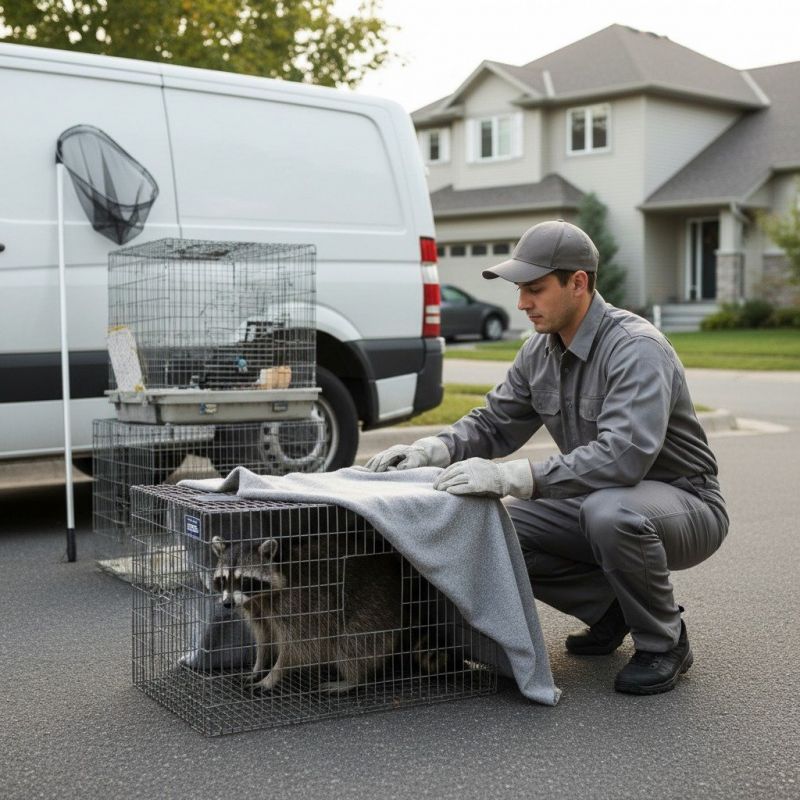
People dealing with common small animal problems in commercial and industrial properties can rely on local service providers to safely remove pests like rodents, squirrels, and raccoons.
Visitors exploring common small animal problems in commercial and industrial properties are in the right place. Property owners in the area often encounter issues such as rodents, birds, or other small animals nesting in building structures, which can lead to property damage, health concerns, and operational disruptions. Understanding these challenges is essential for maintaining a safe, clean, and compliant environment. By learning about the typical signs of small animal activity and the risks they pose, property managers and business owners can take proactive steps to address issues early on, potentially preventing costly repairs and health hazards.
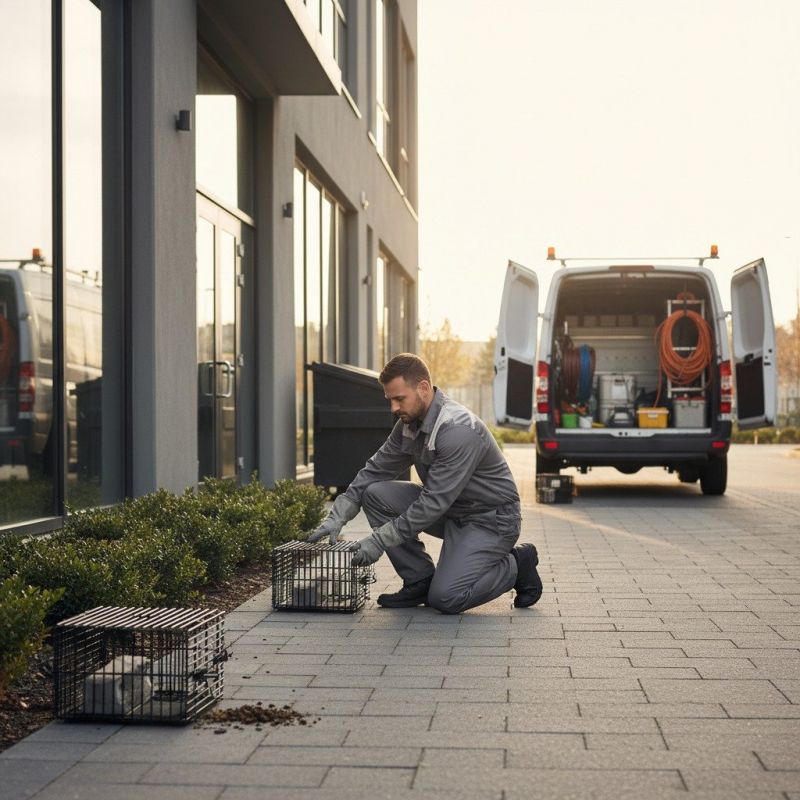
Local service providers who specialize in small animal removal are equipped to handle these common problems effectively. Whether it’s identifying entry points, safely removing animals, or implementing preventative measures, experienced contractors can help keep properties secure and animal-free. Keep reading to discover practical insights into managing small animal problems and how connecting with local experts can make a difference in maintaining the integrity of commercial and industrial spaces.
- Small animal removal services are often needed when rodents or pests are found nesting inside commercial or industrial buildings, with local contractors using humane and effective techniques to eliminate the problem. - When signs of small animal activity, such as droppings or gnaw marks, are discovered in storage areas or building attics, local service providers can assess and remove the animals safely. - Commercial properties experiencing unusual noises or damage caused by small animals like squirrels or raccoons may require professional removal to prevent further structural issues, with local experts handling the job. - If small animals are suspected to be residing within ventilation systems or wall cavities, local contractors are equipped to locate and remove them without disrupting building operations. - During inspections for pest control or property maintenance, discovering small animal infestations prompts local pros to deploy targeted removal methods suited for commercial and industrial environments.
When people search for information about common small animal problems in commercial and industrial properties, they are often concerned about pests such as rodents, raccoons, squirrels, or bats that can invade or damage their facilities. These searches typically stem from experiences or fears of animals nesting in building structures, contaminating stored goods, or creating health hazards for employees and visitors. Property owners and managers want to understand what signs to look for, how these animals might be causing issues, and what steps are necessary to address the problem effectively. The goal is to prevent property damage, avoid health risks, and ensure the safety and integrity of the premises.
These problems are usually related to the presence of small animals that seek shelter, food, or warmth in commercial and industrial settings. Common issues include animals nesting inside walls, attics, or ceiling spaces, which can lead to structural damage or compromised insulation. In some cases, animals may chew through wiring, creating fire hazards or disrupting operations. Plans to resolve these issues often involve removal of the animals, sealing entry points, and implementing preventative measures to avoid future invasions. Understanding the typical behaviors and habitats of these small animals helps property owners work with service providers to develop effective solutions tailored to their specific building types and problems.
The types of properties most frequently affected by small animal problems include warehouses, manufacturing plants, office buildings, retail centers, and distribution centers. These spaces often have large, open areas with accessible rooflines, ventilation systems, or gaps in walls that provide entry points for animals. Structures with stored materials or food products are especially vulnerable, as they can attract pests looking for sustenance. Additionally, older buildings with less maintenance or buildings in areas with dense wildlife populations tend to experience more frequent invasions. Recognizing the characteristics of these properties helps property managers understand where small animal problems are most likely to occur and how local service providers can assist in resolving them.
Understanding common small animal problems in commercial and industrial properties helps property owners and managers recognize the importance of timely intervention. Local pros specializing in small animal removal can assess the specific issues, identify entry points, and safely remove animals without causing further damage. They also provide guidance on sealing gaps and implementing exclusion strategies to prevent future invasions. Connecting with experienced service providers ensures that small animal problems are handled efficiently and effectively, reducing the risk of ongoing issues that could impact safety, operations, or property value. This proactive approach helps maintain a secure and animal-free environment for all occupants.
Wildlife exclusion projects - these involve installing barriers and entry point repairs, skills relevant to preventing small animals from entering commercial and industrial properties.
Building inspection services - thorough inspections help identify small animal entry points and nesting areas, supporting effective removal and exclusion efforts.
Pest proofing and sealing projects - sealing gaps and cracks aligns with the techniques used in small animal removal to prevent future infestations.
Rodent control services - specialized in managing rodent populations, these projects share strategies for identifying and eliminating small animal threats.
Structural damage repair - repairing chewed wiring or damaged insulation is similar to addressing small animal caused damages in commercial spaces.
Habitat modification projects - altering environments to make them less attractive to small animals complements removal efforts and reduces recurrence risks.
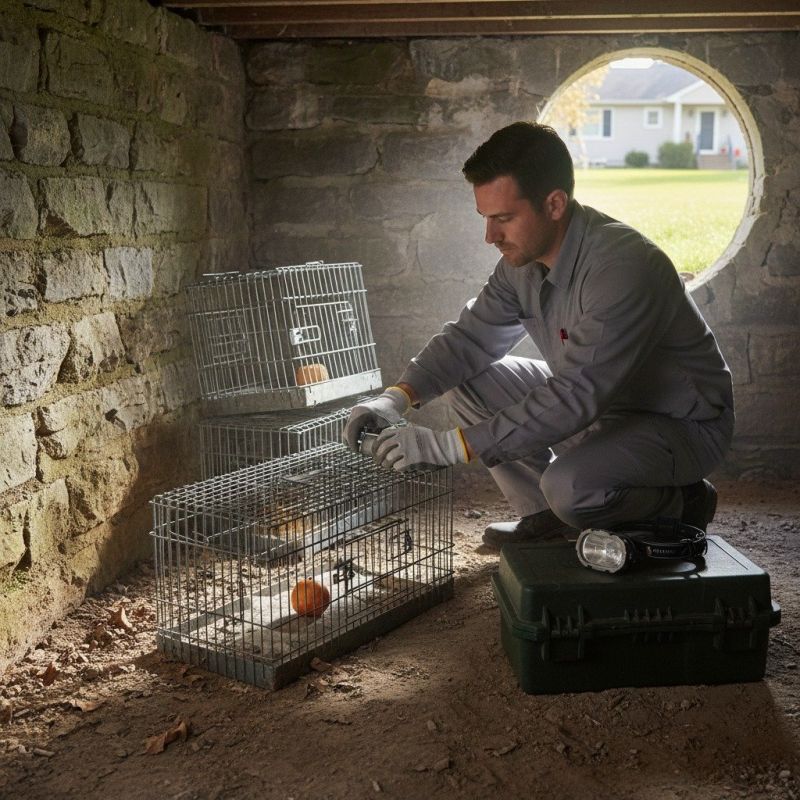
When evaluating service providers for addressing common small animal problems in commercial and industrial properties, it is important to consider their experience with similar projects. Service providers who have a proven track record in small animal removal can better anticipate the unique challenges that come with commercial settings, such as large structures, ventilation systems, or specific pest behaviors. Asking for details about past projects helps ensure that the chosen contractor understands the scope and nuances of these types of problems, leading to more effective and efficient solutions.
Clear, written expectations are essential when comparing local contractors. This includes detailed descriptions of the removal process, any preventative measures, and follow-up procedures. Having a comprehensive scope of work helps prevent misunderstandings and ensures that everyone is aligned on what the service will entail. When reviewing options, it’s beneficial to request written proposals or estimates that outline the steps involved, so the property owner can make an informed decision based on transparent communication.
Reputable references and good communication are key indicators of reliable service providers. Speaking with previous clients or reading reviews can provide insight into the contractor’s professionalism, responsiveness, and success in solving small animal issues. Effective communication throughout the process ensures that property owners stay informed about progress, potential concerns, and any recommendations for ongoing maintenance. Choosing local contractors who prioritize clear, consistent communication and have positive references can lead to a smoother experience in resolving common small animal problems in commercial and industrial properties.
Property owners often search for common small animal problems in commercial and industrial properties when they are planning practical projects around their homes and businesses. Local pros provide Small Animal Removal services for everyday jobs and straightforward project options.
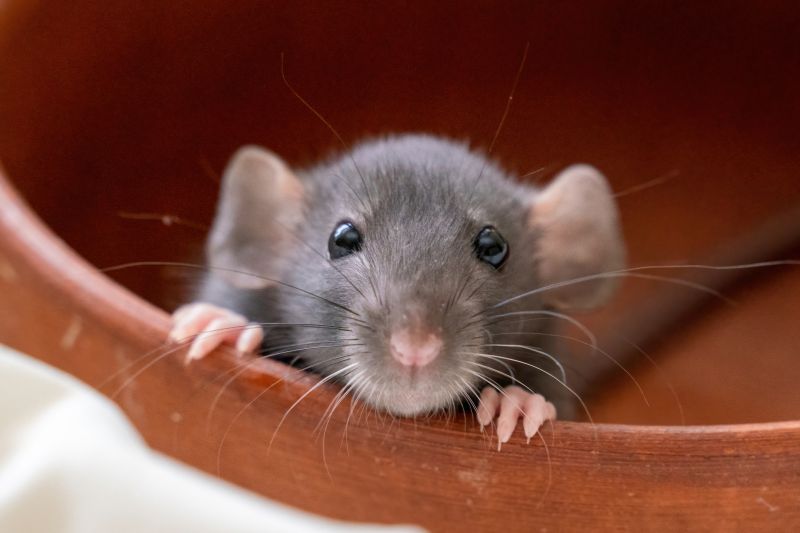
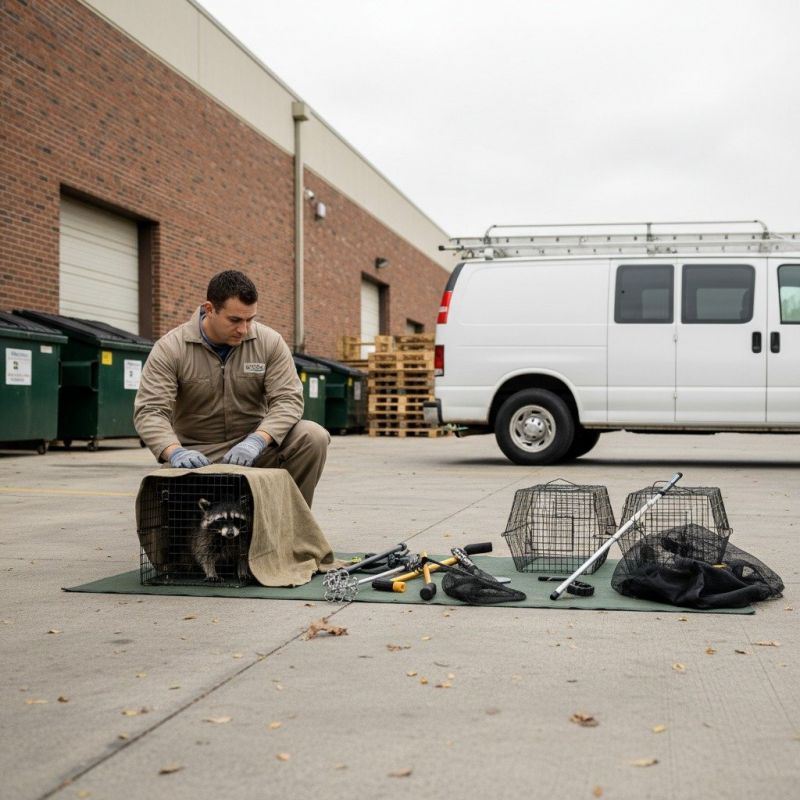
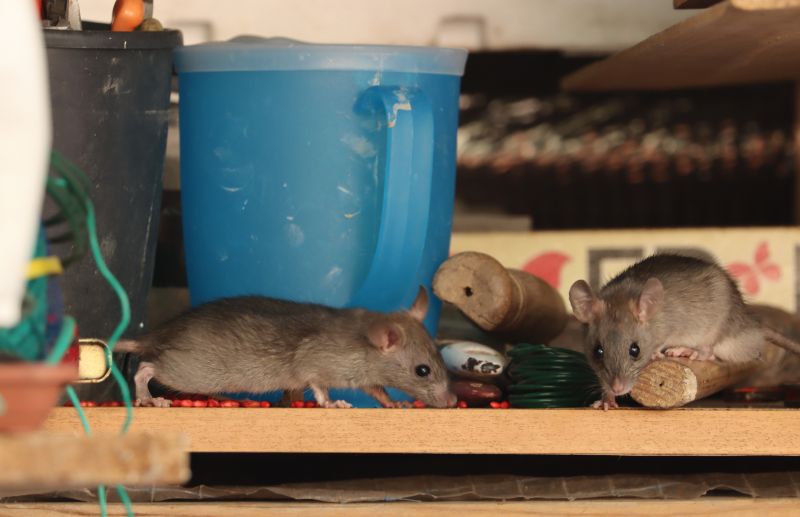
Many commercial and industrial properties face common small animal problems that can disrupt operations and compromise building integrity. Rodents such as mice and rats often seek shelter in attics, walls, and storage areas, attracted by easy access points and available food sources. These pests can cause damage to wiring, insulation, and stored goods, making it essential for property owners to address infestations promptly. Small animals like squirrels, raccoons, and birds may also find their way into roof spaces or ventilation systems, creating noise issues and potential health hazards. When such problems arise, local service providers specializing in small animal removal can help identify entry points, safely remove unwanted animals, and prevent future invasions.
Property owners in the area often look up information about small animal problems to understand the risks and learn about effective removal options. Encountering animals in commercial or industrial settings is a common concern, especially when signs of infestation are visible or when animals are found nesting in hard-to-reach areas. Hiring experienced local contractors ensures that the removal process is handled efficiently and humanely, minimizing disruption to business operations. These specialists can also offer advice on securing building openings and maintaining property to reduce the likelihood of recurring issues, making it easier for owners to keep their spaces safe and animal-free.
What are common small animal problems in commercial and industrial properties? Common issues include rodents, birds, and small mammals nesting in building structures, which can lead to damage and sanitation concerns.
How do small animals typically enter commercial buildings? Small animals often gain access through gaps, vents, or damaged roofing, seeking shelter and food sources within the property.
Why is it important to address small animal problems promptly? Early intervention helps prevent property damage, contamination, and potential health risks associated with small animal infestations.
What signs indicate a small animal problem in a property? Signs include droppings, gnaw marks, nesting materials, sounds in walls or ceilings, and visible sightings of the animals themselves.
How can local service providers assist with small animal removal in commercial settings? They can identify entry points, safely remove animals, and implement exclusion measures to prevent future issues in commercial and industrial properties.
Identify entry points - property owners can inspect buildings regularly to spot small animal entry points and have local contractors seal them to prevent infestations.
Implement exclusion strategies - applying exclusion methods such as barriers or mesh can help keep small animals out of storage areas and mechanical rooms with assistance from local pros.
Maintain storage practices - organizing and elevating stored items reduces attractants and makes it easier for small animal removal services to address existing issues.
Schedule routine inspections - periodic property checks by local contractors can detect early signs of small animal activity, enabling prompt removal and prevention efforts.
If you are thinking about common small animal problems in commercial and industrial properties for a property, this guide is meant to help you understand this topic, the typical project types, and how different options might fit your plans.
When you are ready, you can use the quote form on this page to share a few details about your project. From there, local pros can review the basics and follow up with options that match what you have in mind.